
May
Tramadol Guide
The Role of Genetics in Tramadol Effectiveness CYP2D6
| Buy Tramadol Online | Buy Tramadol 100mg Online US to US |
| Buy Tapentadol 100mg Online | Buy Citra Tramadol 100mg Online |
The CYP2D6 Enzyme
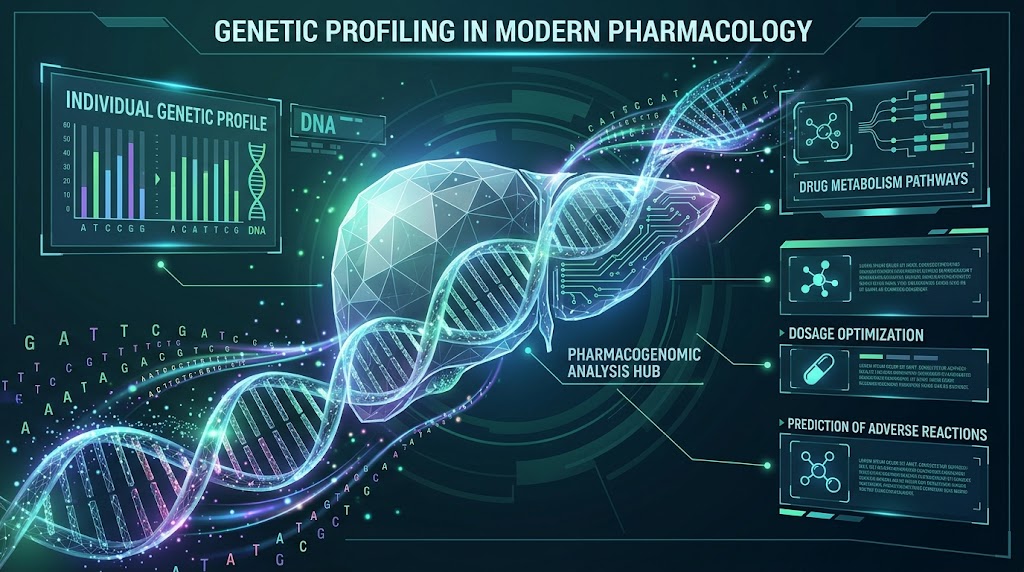
Tramadol is considered a “prodrug.” This means the pill you swallow is relatively inactive when it comes to opioid pain relief. It must pass through the liver, where a specific enzyme called Cytochrome P450 2D6 converts the parent drug into its active metabolite, O-desmethyl-tramadol. This active metabolite is what binds to your pain receptors.

Genetic Variations in Metabolism
The amount of CYP2D6 enzyme in your liver is dictated entirely by your genetics. This genetic variation means that tramadol affects different people in drastically different ways:
- Poor Metabolizers: About 7-10% of the population lacks sufficient CYP2D6 enzymes. For these individuals, tramadol cannot be effectively converted into its active form. They will experience little to no pain relief, regardless of the dosage.
- Ultra-Rapid Metabolizers: A small percentage of people have hyperactive enzymes. Their bodies convert tramadol into the active metabolite far too quickly. This results in a sudden, dangerous spike of opioids in the bloodstream, leading to severe toxicity, respiratory depression, and a high risk of overdose, even at standard prescribed doses.
Clinical Implications
Because of these genetic extremes, tramadol dosing requires careful clinical observation. If a patient reports that the medication is completely ineffective, or if they experience severe side effects immediately after a single dose, a genetic metabolic variance is highly likely.
Is Tramadol Safe for Dogs and Cats? Veterinary Uses
Meta Title: Is Tramadol Safe for Dogs and Cats? Veterinary Guide
Meta Description: A comprehensive overview of veterinary tramadol. Learn about safe dosages, side effects, and pain management for pets.
Keywords: tramadol for dogs, tramadol for cats, veterinary tramadol, pet pain relief, dog pain medication
Image Prompt: A full wide, fit to screen split image featuring a healthy dog and cat on one side, and a clean veterinary clinic setting on the other. Soft, compassionate lighting with professional medical overlays.
Veterinary Pain Management
Tramadol is not just for humans; it has become a staple in veterinary medicine for managing moderate to severe pain in both dogs and cats. Veterinarians frequently prescribe it to manage post-surgical pain, severe osteoarthritis, and pain associated with cancer or acute injuries. Because it does not cause the severe gastrointestinal ulcers associated with canine NSAIDs, it is often a preferred choice for aging pets.
Differences in Metabolism
While the drug is the same, dogs and cats process tramadol differently than humans. Dogs, in particular, produce far less of the active M1 metabolite. As a result, the opioid-like pain relief is less pronounced in dogs, and the medication relies more heavily on its serotonin-boosting properties to provide comfort. Cats metabolize the drug slightly better but are far more sensitive to the side effects.
Dosage and Safety Protocols
Never give a pet human medication without direct veterinary supervision. Dosages for animals are calculated strictly by weight and metabolic capability. An incorrect dose can cause fatal serotonin syndrome or severe seizures in a pet. While veterinary formulations exist, any dispensing of tramadol for animal use strictly requires a valid prescription from a licensed veterinarian.
