
-
×
 Buy Tapentadol Online - 360 Pills
1 × $749.00
Buy Tapentadol Online - 360 Pills
1 × $749.00
20
May
May
Tramadol Guide
Tramadol and Alcohol: Why Mixing Them is Dangerous
| Buy Tramadol Online | Buy Tramadol 100mg Online US to US |
| Buy Tapentadol 100mg Online | Buy Citra Tramadol 100mg Online |
The Danger of Compounding Depressants
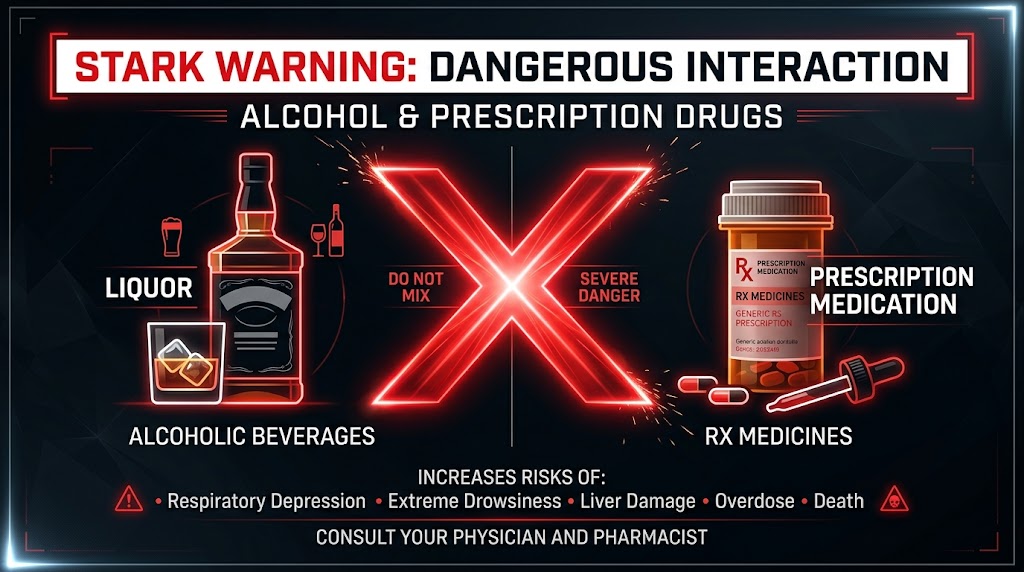
Alcohol and tramadol are both central nervous system depressants. While they operate through different chemical pathways, they produce similar inhibitory effects on the brain. When taken together, their effects do not just add up; they multiply exponentially. This synergistic depression of the nervous system creates a highly dangerous and potentially lethal scenario.
Severe Respiratory Depression
The most immediate and life-threatening risk of mixing these substances is respiratory depression. The combination signals the brain stem to slow down the breathing rate. In severe cases, breathing can become dangerously shallow or stop entirely, leading to hypoxia, brain damage, or death.

Increased Risk of Seizures and Overdose
Alcohol directly interferes with the liver’s ability to metabolize tramadol. This can lead to a sudden buildup of toxic levels of the drug in the bloodstream. Because both alcohol withdrawal and tramadol use lower the seizure threshold, combining the two drastically increases the likelihood of suffering a severe, sudden convulsion. Due to these extreme risks, medical professionals universally advise absolute abstinence from alcohol while undergoing tramadol therapy.
How to Safely Taper Off Tramadol Doctor-Recommended Steps
Meta Title: How to Safely Taper Off Tramadol
Meta Description: A step-by-step guide to safely weaning off tramadol. Learn doctor-recommended tapering strategies to minimize withdrawal symptoms.
Keywords: taper off tramadol, how to stop tramadol, weaning off tramadol, tramadol detox, stop taking tramadol
Image Prompt: A full wide, fit to screen infographic showing a descending staircase concept, representing a gradual reduction in dosage. Clean, encouraging, and highly professional medical design.
The Importance of Tapering
Because tramadol alters both opioid receptors and serotonin levels, suddenly stopping the medication shocks the brain’s chemistry. Stopping “cold turkey” virtually guarantees severe, highly distressing withdrawal symptoms. To mitigate this, doctors employ a tapering strategy—a methodical, gradual reduction in dosage designed to give the central nervous system time to slowly regain its natural chemical balance.
Creating a Tapering Schedule
A tapering schedule is highly individualized and must be created by the prescribing doctor. A standard medical taper generally reduces the total daily dose by 10% to 20% every few days or weeks.
- Step 1: The doctor will calculate your total daily intake and switch you to immediate-release tablets to allow for precise dosage cuts.
- Step 2: The first reduction is usually the largest, dropping the dose by about 20%. The patient holds at this new dose for several days to allow the body to stabilize.
- Step 3: Subsequent reductions become smaller, often 10% drops, spaced out over one to two weeks.
Managing the Final Steps
The final stages of a taper are often the most difficult, as the brain makes its final adjustments to operating without the drug. During this time, doctors may prescribe non-narcotic medications to help manage specific symptoms, such as anti-nausea drugs for the stomach or sleep aids for insomnia. Consistent hydration, light exercise, and emotional support are critical components of a successful transition off the medication.
