
Apr
Tramadol Guide
Tramadol Uses, Dosage, and Side Effects: A Complete Medical Guide
Introduction – Tramadol Uses
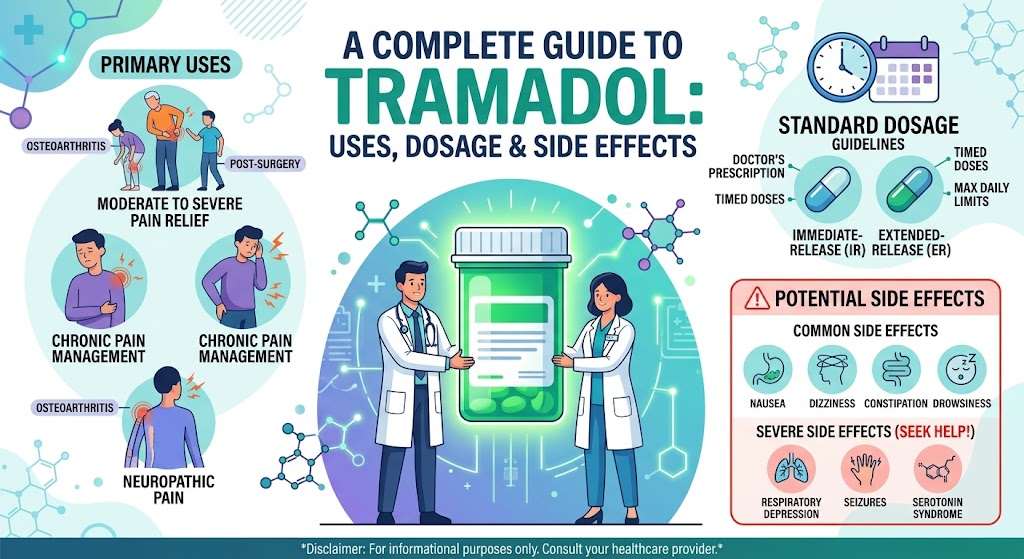
Tramadol is a prescription medication widely used for the treatment of moderate to moderately severe pain. It is often recommended when common over-the-counter pain relievers are not sufficient to manage discomfort. Because of its unique dual mechanism and classification as an opioid analgesic, tramadol occupies an important place in modern pain management, but it also requires careful use due to its potential risks.
This detailed guide explains the medical uses of tramadol, how dosage is determined, and the full range of possible side effects, helping readers understand both its benefits and safety considerations.
What Is Tramadol?
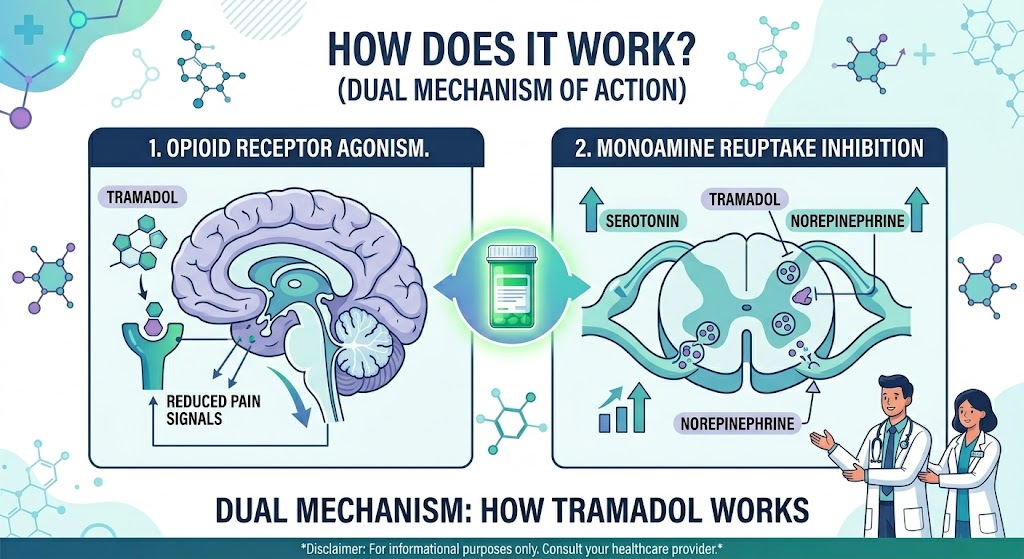
Tramadol is a centrally acting pain-relief medication that works on the brain and nervous system to reduce the perception of pain. It is considered a synthetic opioid, although it differs from traditional opioids because it also affects neurotransmitters involved in pain signaling.
Doctors prescribe tramadol when pain is significant enough to require stronger treatment but does not yet necessitate the use of high-potency opioids.
Medical Uses of Tramadol
Tramadol is used in a variety of clinical situations where effective pain control is necessary. Its versatility comes from its ability to address both physical and nerve-related pain components.
Treatment of Acute Pain
Tramadol is commonly prescribed for short-term pain following surgical procedures, injuries, or dental work. In these cases, it helps reduce discomfort during the healing process and improves overall recovery experience.
Management of Chronic Pain
Patients suffering from long-term conditions such as osteoarthritis, chronic back pain, or musculoskeletal disorders may be prescribed tramadol when other medications fail to provide sufficient relief. Extended-release formulations are often preferred for chronic conditions because they provide consistent pain control throughout the day.
Neuropathic Pain Support
Due to its influence on serotonin and norepinephrine, tramadol may be useful in certain cases of nerve-related pain. Although it is not always the first-line treatment for neuropathic pain, it can be beneficial in select patients.

Tramadol Dosage Guidelines
The dosage of tramadol is not one-size-fits-all. It must be carefully determined by a healthcare provider based on multiple factors, including the severity of pain, the patient’s age, medical history, and response to treatment.
Immediate-Release Tramadol
Immediate-release tablets are typically used for short-term pain relief. These are usually taken every four to six hours as needed. The goal is to use the lowest effective dose for the shortest possible duration.
Extended-Release Tramadol
Extended-release formulations are designed for continuous pain management and are generally taken once daily. These are often prescribed for chronic pain conditions requiring long-term therapy.
Dose Adjustments
Certain individuals may require dosage adjustments, including older adults and patients with kidney or liver impairment. Because tramadol is metabolized in the liver and excreted by the kidneys, reduced organ function can affect how the drug is processed in the body.
Importance of Medical Supervision
It is essential that tramadol is taken exactly as prescribed. Increasing the dose without medical advice can significantly raise the risk of serious side effects, including respiratory depression and seizures.
Side Effects of Tramadol
Like all medications, tramadol can cause side effects. These can vary from mild discomfort to more serious health concerns.
Common Side Effects
Many individuals experience mild and manageable side effects, especially during the initial stages of treatment. These may include nausea, dizziness, constipation, headache, dry mouth, and drowsiness. In many cases, these symptoms improve as the body adapts to the medication.
Moderate Side Effects
Some patients may experience sweating, fatigue, confusion, or difficulty concentrating. These effects may interfere with daily activities and should be discussed with a healthcare provider if they persist.
Serious Side Effects
Tramadol also carries the risk of more severe reactions. These include slowed or difficult breathing, seizures, severe allergic reactions, and serotonin syndrome, a condition caused by excessive serotonin levels in the brain. These effects require immediate medical attention.
Risk of Dependence and Withdrawal
Although tramadol is often perceived as a safer alternative to stronger opioids, it still has the potential to cause dependence. Long-term use can lead to tolerance, meaning higher doses are needed to achieve the same level of pain relief.
If tramadol is discontinued suddenly after prolonged use, withdrawal symptoms may occur. These can include restlessness, anxiety, sweating, insomnia, and flu-like symptoms. For this reason, discontinuation should always be gradual and guided by a healthcare professional.
Drug Interactions and Warnings
Tramadol can interact with a variety of medications, which may increase the risk of serious side effects.
Interactions with Antidepressants
Combining tramadol with certain antidepressants can increase the risk of serotonin syndrome. This is particularly important for medications that affect serotonin levels.
Alcohol and Sedatives
Using tramadol alongside alcohol or sedative medications can enhance its depressant effects on the central nervous system, potentially leading to dangerous breathing problems.
Seizure Risk
Tramadol may lower the seizure threshold, especially in individuals with a history of seizures or those taking medications that increase seizure risk.
Who Should Avoid Tramadol?
Tramadol is not suitable for everyone. It is generally avoided in children under 12 years of age and used with caution in adolescents. Individuals with severe respiratory conditions, uncontrolled epilepsy, or a history of substance misuse may also be advised against its use.
Pregnant and breastfeeding individuals should only use tramadol if clearly recommended by a healthcare provider, as it may affect the baby.
Safe Use Tips
To use tramadol safely and effectively, patients should follow several important guidelines. Always take the medication exactly as prescribed, avoid combining it with alcohol, and inform your doctor of all other medications being taken. Patients should also avoid driving or operating heavy machinery until they understand how tramadol affects them.
Frequently Asked Questions
How long does tramadol take to work?
Immediate-release tramadol usually begins working within 30 to 60 minutes, while extended-release versions provide gradual relief over a longer period.
Can tramadol be used every day?
Daily use may be appropriate for chronic pain under medical supervision, but long-term use requires careful monitoring.
Is tramadol stronger than common painkillers?
Tramadol is generally stronger than medications like ibuprofen or acetaminophen, making it suitable for more severe pain.
Does tramadol cause sleepiness?
Yes, drowsiness is a common side effect, especially when starting the medication or increasing the dose.
Conclusion
Tramadol plays an important role in managing moderate to moderately severe pain, offering a balance between effectiveness and potency. Its dual mechanism of action makes it unique among pain medications, but it also introduces risks that must be managed carefully.
Understanding its uses, proper dosage, and potential side effects is essential for safe and effective treatment. Patients should always rely on professional medical advice when using tramadol to ensure the best possible outcomes while minimizing risks.
