
-
×
 Buy Tapentadol Online - 360 Pills
1 × $749.00
Buy Tapentadol Online - 360 Pills
1 × $749.00
20
May
May
Tramadol Guide
Tramadol Side Effects: What to Expect and When to Seek Help
| Buy Tramadol Online | Buy Tramadol 100mg Online US to US |
| Buy Tapentadol 100mg Online | Buy Citra Tramadol 100mg Online |
Introduction
While tramadol is highly effective for managing moderate to moderately severe pain, its complex dual-action mechanism means it can affect multiple systems in the body. Because it operates as both a weak opioid and a serotonin-norepinephrine reuptake inhibitor SNRI, patients may experience a wide spectrum of side effects.
Understanding what to expect when starting this medication can help patients manage mild discomforts safely, while also knowing exactly when a symptom escalates into a medical emergency.
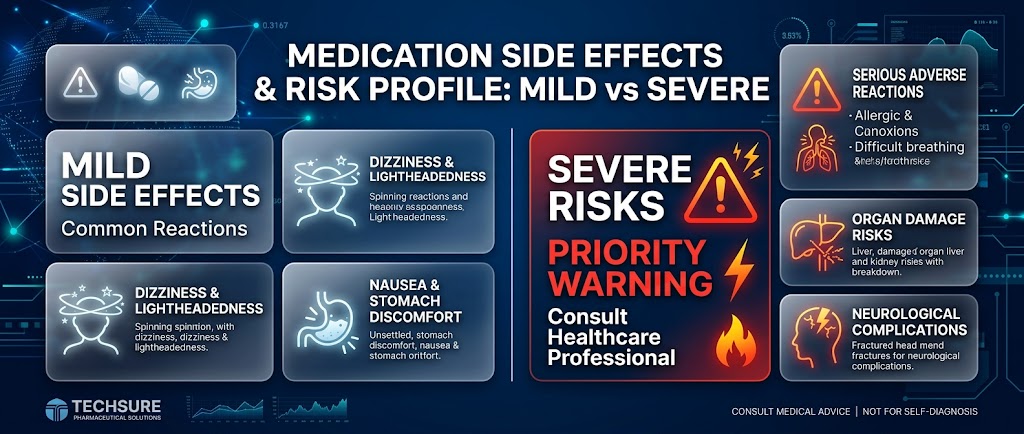
Common and Manageable Side Effects
Most side effects associated with tramadol occur during the first few days of treatment or immediately following a dosage increase. For many patients, these symptoms are mild and tend to subside as the central nervous system adjusts to the medication.
- Nausea and Vomiting: This is the most frequently reported side effect. Taking the medication with food can sometimes help mitigate gastrointestinal distress.
- Dizziness and Vertigo: Patients often report feeling lightheaded or unsteady. It is highly recommended to avoid driving or operating heavy machinery until you know how the drug affects you.
- Constipation: A classic side effect of all opioid-class drugs. Staying hydrated, increasing dietary fiber, and light exercise can help manage this.
- Somnolence and Fatigue: Drowsiness is common, particularly when first starting the medication.
- Headaches: Changes in neurotransmitter levels can trigger mild to moderate headaches in some individuals.
- Dry Mouth: A common symptom of medications that influence serotonin and norepinephrine levels.

Severe Side Effects and Major Risks
Because of its unique pharmacological profile, tramadol carries several severe risks that distinguish it from other standard painkillers. If any of the following occur, patients must contact their healthcare provider immediately.
1. Lowered Seizure Threshold One of the most significant clinical warnings associated with tramadol is the risk of seizures. Tramadol can induce seizures even when taken at standard, recommended doses. This risk increases dramatically if the maximum daily dose is exceeded, or if the patient is simultaneously taking other medications that lower the seizure threshold, such as certain antidepressants, antipsychotics, or other opioids.
2. Serotonin Syndrome Because tramadol inhibits the reuptake of serotonin, it increases the total amount of serotonin in the brain. If a patient takes tramadol alongside other serotonergic drugs like SSRIs, SNRIs, triptans for migraines, or certain muscle relaxants, it can lead to Serotonin Syndrome. This is a potentially fatal condition characterized by:
- Agitation, restlessness, or severe confusion
- Rapid heart rate and high blood pressure
- Dilated pupils
- Loss of muscle coordination or twitching muscles
- Heavy sweating and shivering
- High fever
3. Respiratory Depression Although the risk is lower compared to stronger opioids like oxycodone, tramadol can still cause respiratory depression breathing that is too slow or too shallow. This risk is highest in elderly patients, those with pre-existing lung conditions, and anyone who combines tramadol with central nervous system depressants like alcohol or benzodiazepines.
When to Seek Immediate Emergency Help
You should treat your symptoms as a medical emergency and seek immediate assistance if you experience:
- Difficulty breathing, shortness of breath, or prolonged pauses in breathing while asleep.
- Any seizure activity or convulsions.
- Signs of an allergic reaction, including swelling of the face, lips, tongue, or throat, accompanied by severe skin rashes or hives.
- A sudden spike in body temperature accompanied by severe muscle stiffness and confusion.
Conclusion
Managing pain with tramadol requires a careful balance between achieving relief and minimizing adverse reactions. By maintaining open communication with a healthcare provider and strictly adhering to the prescribed dosage, patients can effectively manage common side effects while remaining vigilant against severe complications. Always review your complete medication list with your doctor to prevent dangerous drug interactions.
